Lawn Care Services: Get a Thick, Green Yard All Year Long
Lawn care providers offer critical expertise in maintaining a vibrant, green yard throughout the year. These experts review various particulars, such as soil type and local climate, to create bespoke upkeep plans. Their focus on eco-consciousness and quality equipment reinforces both the appearance and equity of residential properties. Understanding the nuances of lawn care can bring about considered decisions. Yet, many homeowners often fail to notice critical points that can shape their outdoor space.
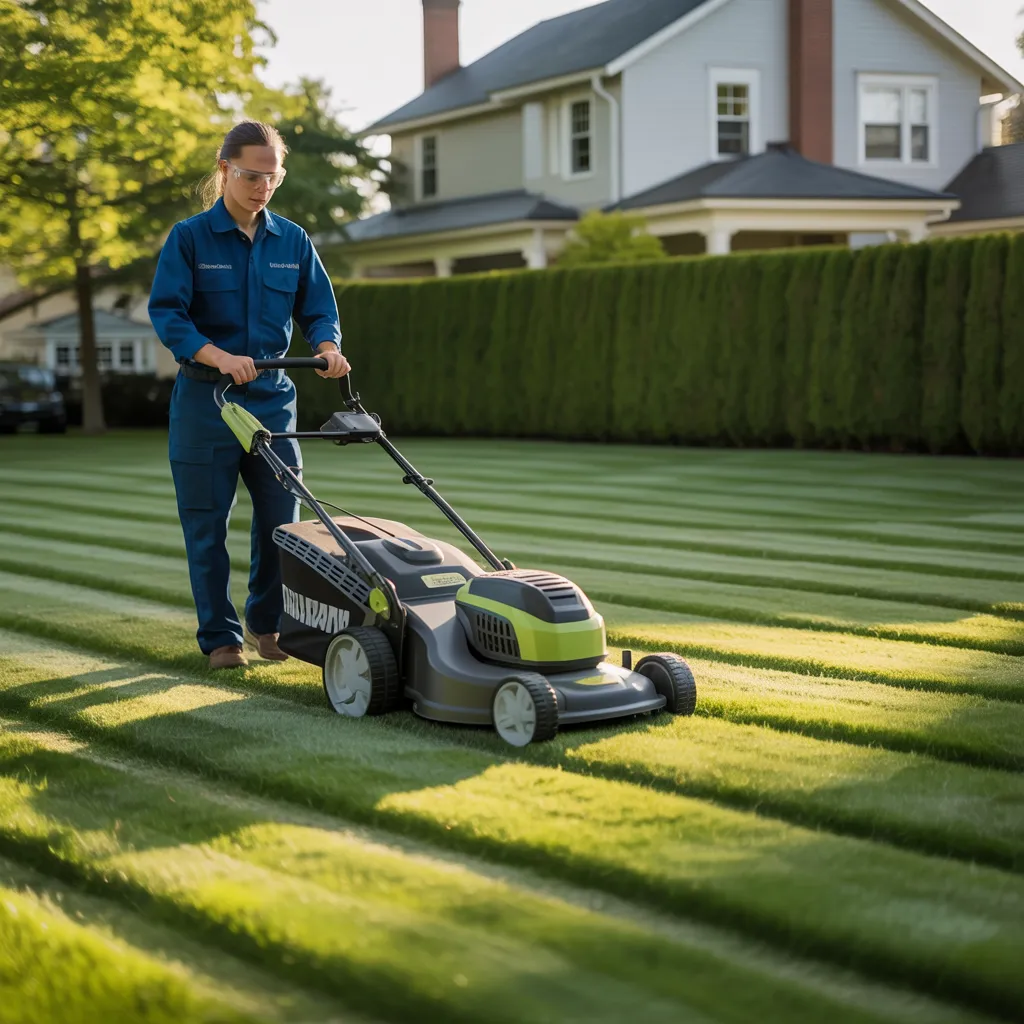
What Are the Benefits of Expert Lawn Care?
Professional lawn care solutions offer numerous advantages that improve both the aesthetic appeal and health of residential and commercial landscapes. These services deliver professional expertise in turf management, guaranteeing that lawns get the appropriate applications for optimal development. A well-maintained lawn boosts property worth and creates a welcoming atmosphere, making it essential for homeowners and businesses alike.
Furthermore, expert turf maintenance features tailored care strategies that tackle specific soil types, grass varieties, and local climate conditions. related content This tailored approach helps prevent typical problems such as pests, weeds, and diseases. Additionally, such offerings often employ high-quality equipment and eco-friendly products, advancing environmental responsibility while delivering outstanding outcomes. Consistent upkeep also conserves time and effort for homeowners, allowing them to focus on additional concerns. Ultimately, investing in professional lawn care not only fosters a lush outdoor space but also contributes to a more sustainable ecosystem.
In What Way Do Seasonal Changes Modify Grass Maintenance Needs?
Seasonal variations significantly impact turf maintenance routines. Variations in temperature and rainfall patterns substantially affect grass growth and maintenance requirements. Additionally, proper lawn care necessitates tailored fertilization strategies to correspond to these seasonal shifts.
Temperature Fluctuations Impact Progress
As temperatures fluctuate throughout the year, the development cycles of grass and other plants in lawns are significantly affected. In spring, warmer temperatures encourage growth, encouraging grass to flourish and thrive. Conversely, summer heat can cause stress, resulting in some grass types to enter dormancy, producing a brownish appearance. During autumn, cooler temperatures allow for recovery and growth before winter dormancy sets in. Winter's low temperatures halt growth altogether, requiring careful observation to prevent damage from frost. Understanding these temperature variations is crucial for effective lawn care, as they dictate appropriate watering, fertilization, and mowing practices. By adjusting for seasonal changes, homeowners can maintain a healthy, vibrant lawn year-round.
Rainfall Trends and Upkeep
While rainfall patterns greatly affect grass maintenance, grasping their variability is important for ideal upkeep. Distinct seasonal changes bring distinct precipitation levels, impacting ground hydration and turf development. In spring, consistent rains can promote quick expansion, calling for frequent mowing and correct watering practices. Conversely, summer may bring drought periods, requiring supplemental watering to prevent drought stress. During fall, fluctuating precipitation can impact leaf litter decomposition, impacting nutrient access. Winter poses its own obstacles, as frozen ground can restrict moisture intake, making it essential to prepare the lawn before the cold sets in. By adapting maintenance practices to match precipitation changes, homeowners can secure a healthy, vibrant lawn throughout the year.
Seasonal Nutrient Application Strategies Needed
A strategically planned feeding routine can significantly improve turf condition throughout the year. Seasonal changes considerably impact nutritional needs, requiring customized strategies. In spring, quick-release fertilizers promote vigorous development as the grass emerges from dormancy. Late spring may gain advantage from slow-release products to maintain strength during warmer months.
During summer's intense heat, nitrogen-based formulations can boost the lawn's resilience against stress. In fall, a balanced fertilizer readies the lawn ready for winter, advancing root development and nutrient storage. Winter treatments, though rarely used, can contribute to soil health.
Ongoing Lawn Care Options
Comprehensive year-round lawn care services ensure that a property remains lush and thriving through every season. These comprehensive plans encompass a range of vital treatments, including regular cutting, soil loosening, and weed management, customized to meet the specific needs of different climates and grass types. By establishing a consistent schedule, lawn care experts can successfully eliminate problems like pests, diseases, and nutrient deficiencies that often arise throughout the year.
In the spring months, services are aimed at applying fertilizers and rejuvenation, while in summer, attention turns to correct watering and managing pests. Autumn care involves overseeding and preparing the lawn for winter, ensuring resilience against cold temperatures. During the winter months, dedicated care might include removing snow and protecting the lawn from harsh conditions. Ultimately, year-round lawn care services offer homeowners reassurance that their outdoor spaces will thrive, boosting the overall beauty and value of the property.
Methods for Identify the Optimal Lawn Care Strategy
How can homeowners choose the ideal lawn care plan for their requirements? First, they should evaluate their lawn's specific requirements, including size, grass type, and current problems such as pests or diseases. Comprehending regional weather patterns is also essential, as it affects the kind of maintenance needed during all seasons.
Subsequently, homeowners should evaluate offered options, such as fertilization, weed control, and aeration. They might contemplate a comprehensive package that covers all aspects or select a more tailored approach based on their lawn's particular requirements.
In addition, looking at customer accounts and asking for recommendations can deliver insight into the credibility and success of numerous companies.
Finally, budget limitations should be taken into account. Homeowners should seek out a plan that strikes a balance between quality services and cost-effectiveness, making sure they get ideal care without overspending. This careful approach will lead to a vibrant, healthy lawn year-round.
Sidestepping Common Turf Management Problems
Avoiding appropriate lawn care can trigger an array of setbacks that jeopardize a lawn's quality and visual condition. One prevalent error is watering excessively, which can smother roots and propagate disease formation. Equally, insufficient moisture can create arid, brown zones. Equally important, many homeowners overlook cutting at the proper altitude, which can diminish grass quality and allow weed proliferation. Utilizing worn cutting edges worsens this matter, tearing grass leaves rather than making neat cuts.
Another common error is applying plant nutrients incorrectly. Excessive fertilization can cause nutrient runoff and damage local environments. Furthermore, neglecting soil quality, such as pH levels and compaction, can impede lawn development. In conclusion, neglecting seasonal variations in lawn care needs can prevent peak health. By paying attention to these common pitfalls, homeowners can guarantee their lawns remain healthy and green throughout the year.
DIY Grass Maintenance Tips Between Expert Visits
Sustaining a vibrant yard necessitates constant attention, especially amid expert visits. Property owners can implement several DIY strategies to assure their yards remain vibrant. First, consistent mowing is essential; cutting turf at the suitable height fosters deeper foundational expansion and reduces unwanted plant proliferation. Moreover, maintaining sharp mower blades is critical for neat trims.
Watering methods also play a critical role. It is recommended to water deeply but sparingly, allowing the soil to absorb moisture while preventing surface runoff. Early morning is the ideal time for watering, minimizing evaporation.
Fertilization should be conducted carefully. Utilizing slow-release fertilizer can offer essential nutrients without inundating the turf. Homeowners should also observe for pests and diseases, addressing problems immediately to minimize damage.
Finally, aerating the lawn, especially during growing seasons, allows for better air and nutrient penetration, promoting a lush and healthy appearance. Applying these techniques can greatly enhance lawn health during intervals of expert care.
Common Questions Posed Often
How Often Should I Wet My Lawn Over the course of Summer?
In the summer season, most lawns need to be irrigated 2-3 times per week. Each watering session should deliver approximately one inch of water, ensuring deep penetration of roots while avoiding saturation that may cause fungal growth.
Which Kinds of Grass Work Well in My Region?
Cool-season grasses like Kentucky bluegrass and fescue excel in northern regions, whereas warm-season varieties including Bermuda and zoysia work optimally for southern climates. Determining the right type promotes lawn health and toughness.
How Landscaping Companies Can Aid With Bug Control?
Yes, lawn care services can help with pest control. They provide treatments to manage insects effectively, guaranteeing the health of the lawn while preventing harm. Professional expertise helps preserve a balanced environment within the yard.
What signs show that my lawn requires fertilization?
Indicators demonstrating a lawn demands fertilization involve yellowing grass, poor growth, and sparse areas. Soil testing can also reveal nutrient deficiencies. Monitoring these factors helps determine the necessity for fertilization to strengthen healthy grass development.
What Resources Do Experienced Technicians Implement for Lawn Care?
Professionals employ a diverse collection of equipment for lawn upkeep, including mowers, trimmers, blowers, aerators, and sprayers. Each tool accomplishes specific functions, guaranteeing efficient maintenance and promoting strong growth throughout the seasons.